

When planning your next marketing campaign, don’t forget to include promotional products as part of your plan. Promotional products don’t just build brand awareness; they drive meaningful action, influence purchasing decisions, and create long-term brand recall.
Why Promotional Products Are as Important as the Rest of Your Marketing Campaign Strategy
Promotional products should be fully integrated into your marketing campaign strategy, not treated as an afterthought. In today’s crowded Business-to-Business (B2B) landscape, branded merchandise plays a critical role in reinforcing your message long after your digital ads disappear or your email has been deleted. These items are used, kept, and shared, and because they can be used daily, they often outperform traditional media in both recall and engagement.
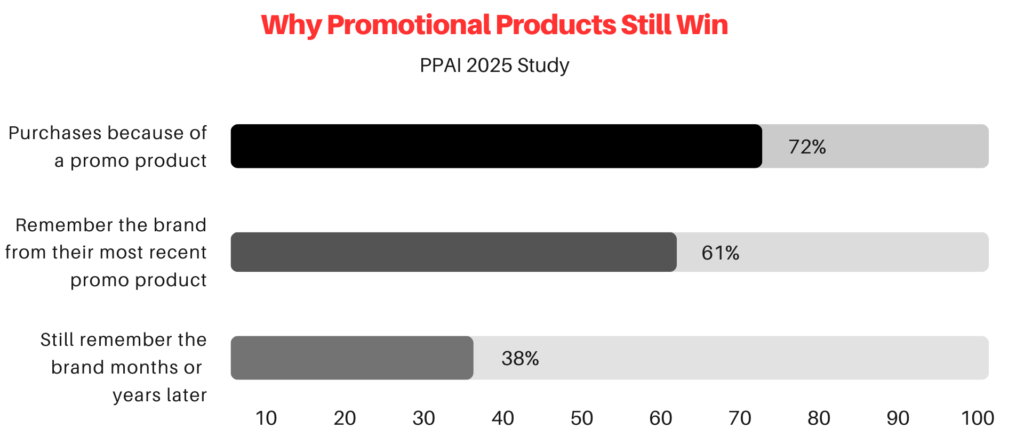
In recent industry research, 61% of recipients remembered the brand from their most recent promotional product. Even more impressive, 72% said they had made a purchase because of a promo item, and 38% still remembered the brand months or years later. That level of longevity makes promotional products one of the most cost-efficient marketing tools in a B2B environment where decisions take time and involve multiple stakeholders.
By incorporating promotional products into your broader marketing strategy, you create physical touchpoints that support your messaging, reinforce your brand story, and keep your company top-of-mind.
Who Is Your Audience?
Choosing the right promotional products begins with clearly defining who you’re trying to reach. Your audience may consist of prospective buyers, existing clients, employees, or even potential recruits. Each group has unique needs that influence which products will resonate.
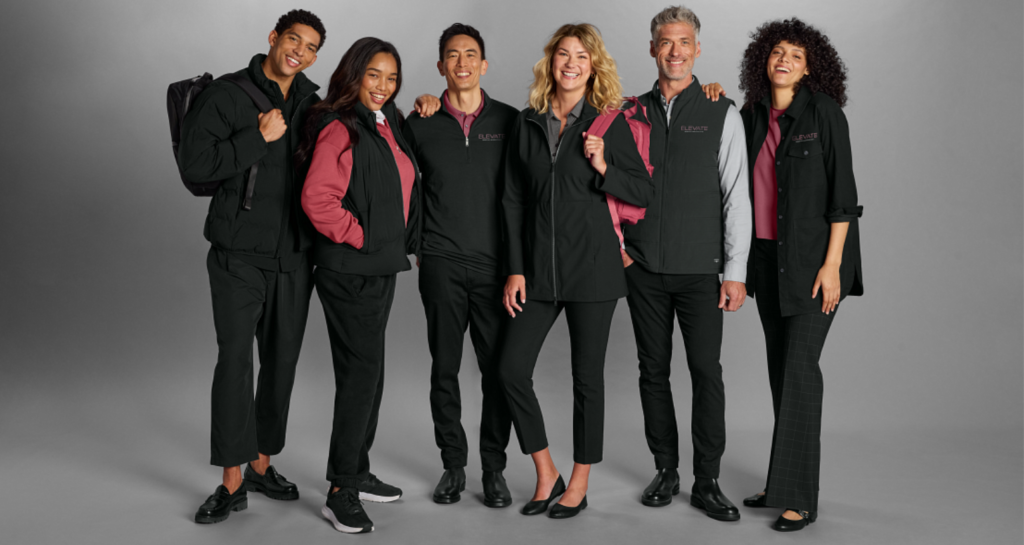
Prospective customers may encounter your brand for the first time at a trade show booth or industry event. They need high-visibility, useful items that spark interest and encourage future engagement. Existing clients may appreciate more curated, thoughtful products that support relationship-building or introduce new products and services. Employees, whether in-office, remote, or working in the field, need items that reinforce culture, support their workflow, and create a sense of belonging.
By understanding the people behind your campaign, you can choose products that feel relevant and genuinely helpful, not random giveaways. At JDA, we have 45+ years of experience selecting products based on your needs. Tell our team about the campaign, and we can curate product options to not only meet your needs but exceed them.
Where Is Your Audience?
Just as important as who your audience is, consider where they spend their time. The places in which people work, travel, and make decisions have a major impact on whether a promotional product will be used frequently or forgotten quickly.
Suppose your audience attends conferences, association meetings, or trade shows. In that case, they will gravitate toward products that help them go through the day more comfortably, like a tote bag, drinkware, or a power bank. If your audience works in an office or home setting, desk items such as notebooks, branded pens, Post-it cubes, mouse pads, or tech stands become daily-use essentials. For audiences constantly on the road, including traveling sales reps or field employees, items like travel tumblers, charging kits, tech organizers, or durable bags prove more valuable.
Matching the product selection to your audience’s environment maximizes usability. The more often an item is used, the more impressions your brand earns without spending another dollar.


Why Do You Want to Target Them?
Every effective promotional product strategy begins with understanding why you’re reaching out in the first place. Your goal drives both your messaging and the type of product you should choose. Some campaigns aim to attract new customers or generate qualified leads. Others focus on educating existing clients about a new product or service. Internal-facing goals, such as employee engagement, safety awareness, or culture-building, require a different approach altogether.
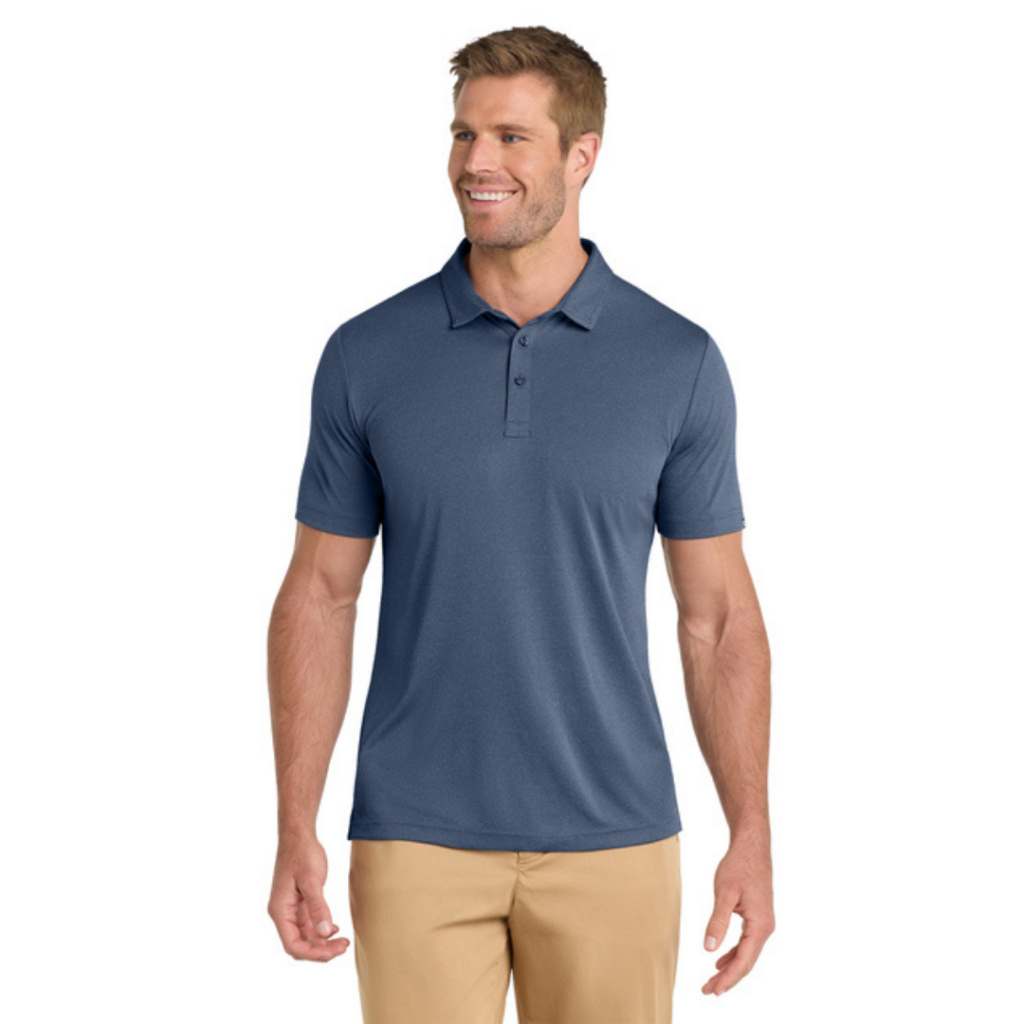
If your goal is new customer acquisition, you may select products that spark curiosity, create conversation, or drive a next step, such as scanning a QR code or booking a meeting. If you’re promoting a new service or feature, your items should reinforce that message. For employee campaigns, high-quality apparel, wellness items, or recognition gifts are great, especially when tied to company initiatives or milestones.
When the “why” is clear, every product becomes a purposeful extension of your marketing campaign, not just a giveaway.
Timing and Distribution: Why It Matters
For maximum impact, deliver at the right time and the right way with a thoughtful and intentional distribution plan. Find the way to meet a need in the moment. What are your customers thinking about when you are meeting with them?
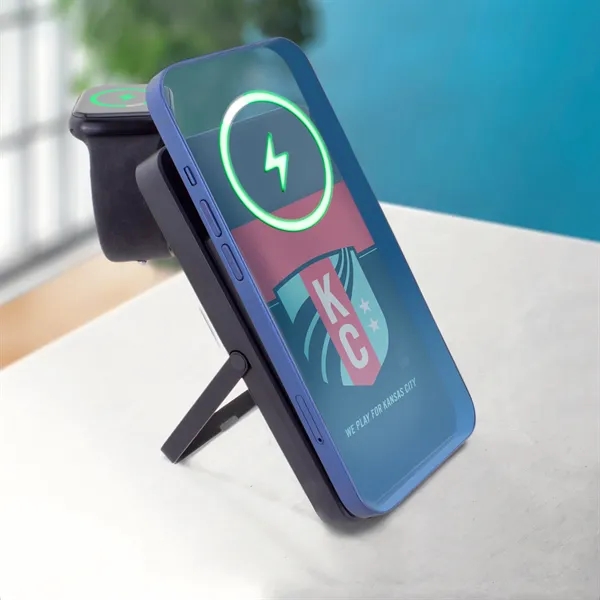
At a trade show, a durable tote bag can become the bag attendees use all day. During client meetings, branded notebooks and pens placed at each seat signal professionalism and create a useful tool that attendees will take with them. For traveling audiences, multi-charging cables or portable phone stands can immediately solve a problem, creating instant goodwill.
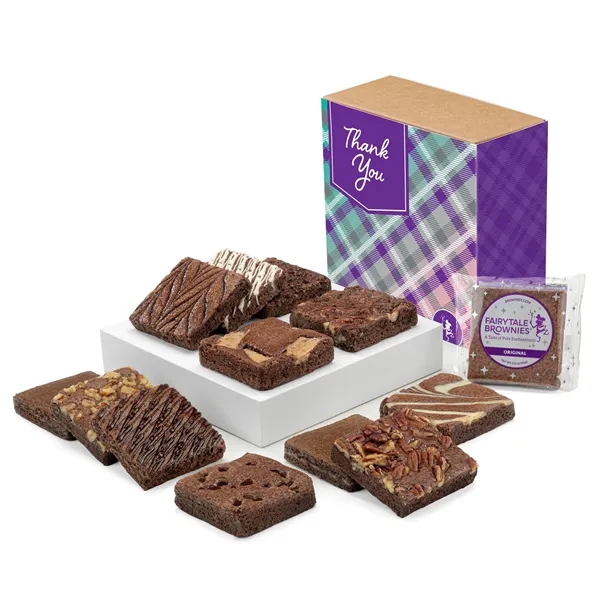
After a successful pitch meeting, a closing gift or food leave-behind creates a positive memory associated with your brand and reinforces the relationship.
The more intentional the timing, the more memorable the impression.
How to Choose Promo Products That Match Your Marketing Campaign
With your audience, environment, and goals set, you can choose products that strategically support your marketing plan. Begin by evaluating whether each item aligns with your brand’s quality standards and branding. A premium brand requires premium-feeling items. A playful brand may lean into colorful, fun, or seasonal trends.
Next, consider the usability of the item. Will your audience realistically use it daily, weekly, or at least monthly? High-use products deliver exponentially more impressions and reinforce your brand more effectively. Then, examine the budget and when and where you can use the item. The product you choose should support the full campaign, whether you’re using it for trade shows, client meetings, internal gifting, or all of the above.
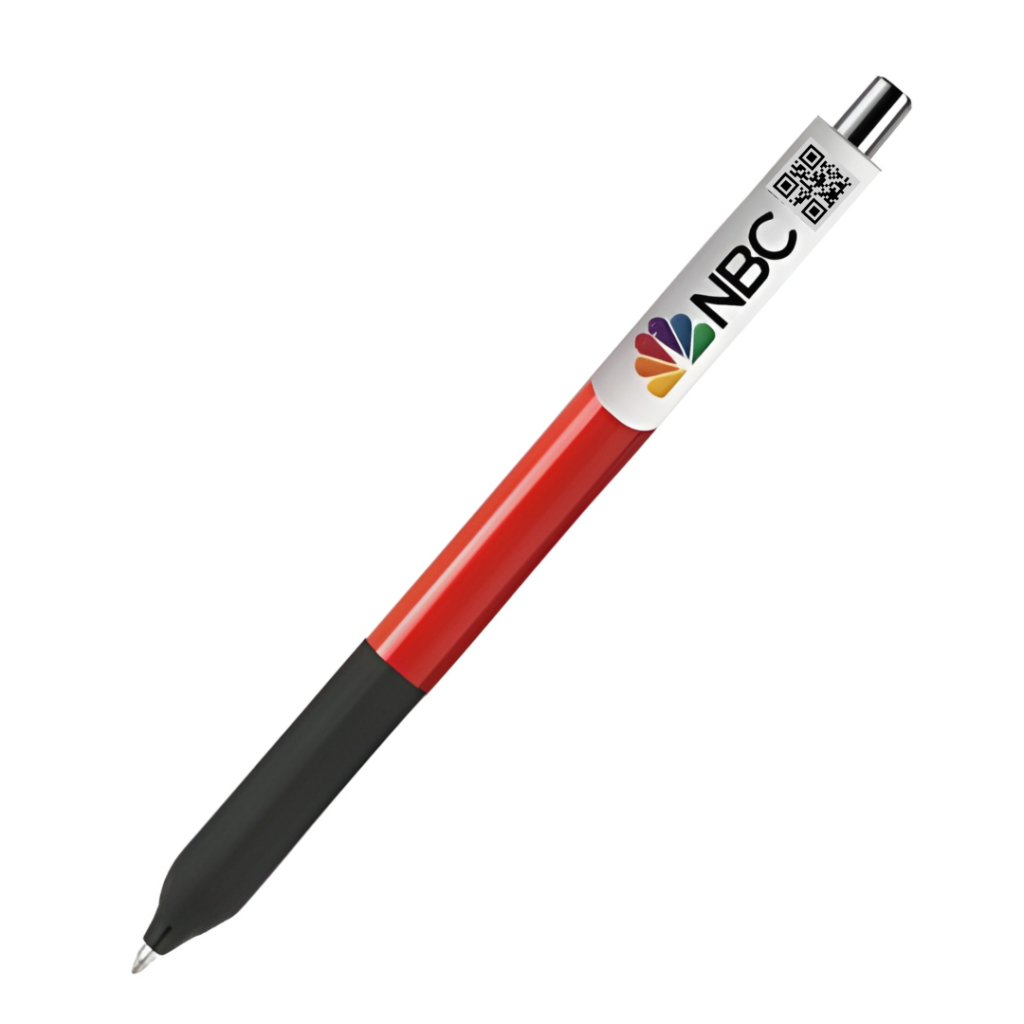
Finally, take advantage of branding opportunities. Promotional products offer a canvas for your messaging. Include your logo, tagline, URL, or even a QR code leading to a campaign landing page. These details elevate the product from a simple branded item to a strategic marketing tool.
How Promotional Products Support Your Goals
Ultimately, promotional products act as “products with a purpose”, reinforcing your message and driving meaningful action long after the first interaction. Unlike digital-only campaigns, they create a tangible connection that keeps your brand top of mind. At JDA, we take a consultative approach to ensure your marketing dollars work harder, helping you identify the right products based on your goals, audience, and budget. The result is thoughtful, strategic merchandise that delivers lasting impact and measurable value.